

Guide to Gratitude
/In a room lit only by a Christmas tree, it’s hard to spot the tears in my eyes; that’s what I’m banking on. I’m at my friend’s house for some Holiday gathering or another, watching her laugh and compete with her siblings in a game I’ve already been eliminated from. I remember nights like this with my siblings. I swallow hard and try to be happy for them and try not to escape to my phone. It’s not going to help, anyway; everyone’s posting about some family gathering or another.
The holiday season has a way of bringing both warmth and weight.
We see lights being put up, evergreen accents, and break out some cozy warm sweaters and blankets. It seems like the world is a little brighter.
Yet, at times, the abundance of joy and light tends to highlight what we lack. For some of us, it’s seeing other people receive more than us, or do more than us, and for others, it’s seeing others with a happy family around them. Year after year has brought me to a holiday gathering with various friends’ families to be quietly envious of their togetherness.
We all have something we’re longing for.
It’s strange — to be surrounded by beauty and still feel the ache of what’s missing. And when that ache mixes with the pressures of the season, comparison often slips in unnoticed. You compare gifts, plans, families, friendships, opportunities, how “put together” someone seems.
But comparison steals joy — it blinds us to the goodness already present in our own lives.
Gratitude, practiced intentionally, has this quiet power to bring our focus back to what is real, grounded, and already ours.
Gratitude doesn’t deny your hard circumstances.
It simply reminds you that your story still contains gifts worth noticing.
(Psalm 103:2 — “Let all that I am praise the Lord; may I never forget the good things he does for me.”)
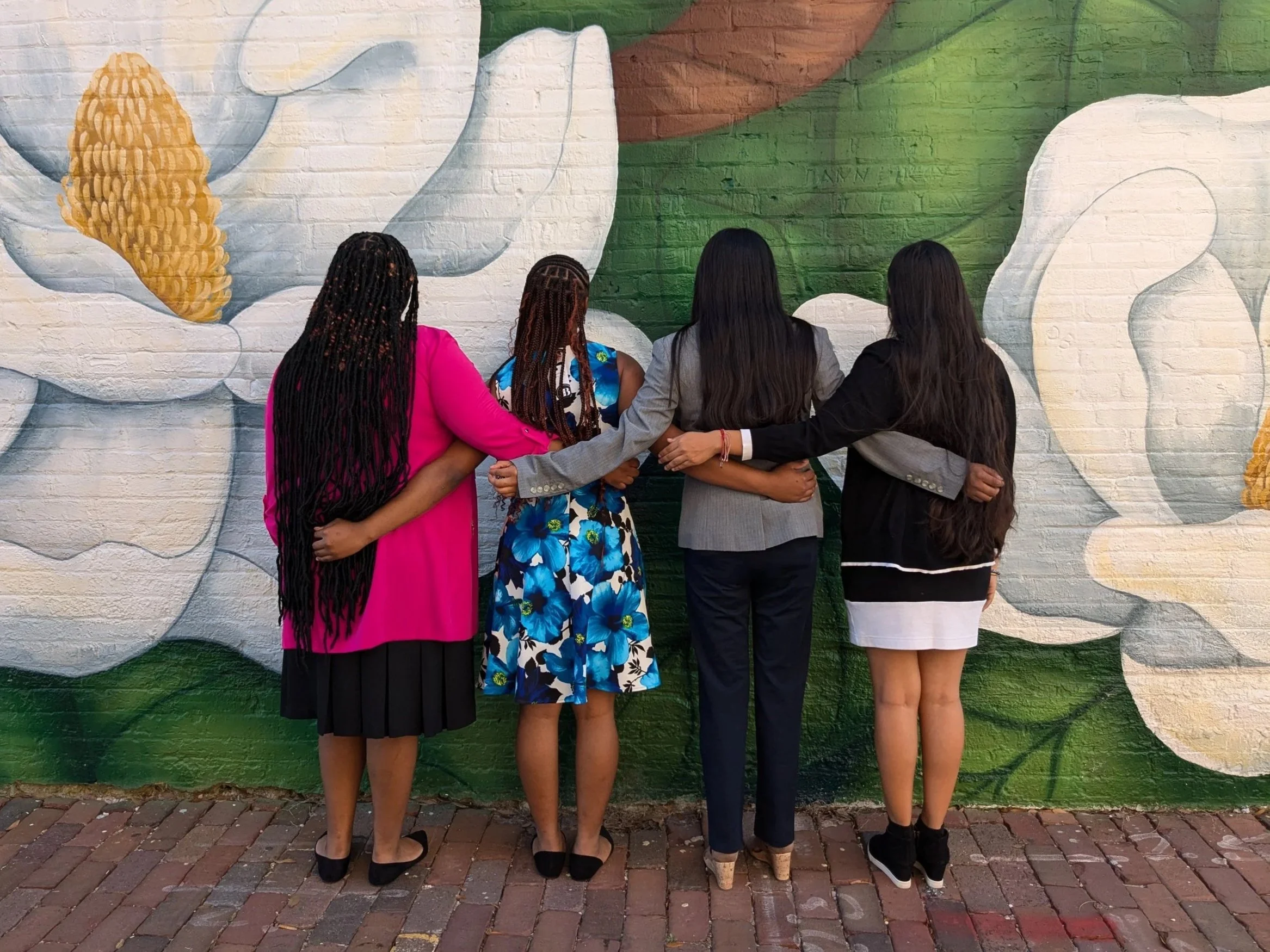
Comparison’s Influence
Comparison is subtle. It often starts in innocent moments: scrolling through a holiday post, seeing someone else’s traditions, watching families laughing together, or noticing a friend’s new clothes you wish you could afford.
Before long, comparison shapes how you see your own life:
Their celebrations look happier, their friendships feel closer, their body looks better in photos, their family seems whole, their December looks like something out of a movie.
It can make your own blessings feel small — even when they aren’t.
But God never asked us to measure our life by someone else’s.
He asked us to notice His goodness in the life we actually have.
(Galatians 6:4 — “Pay careful attention to your own work… for then you will get the satisfaction of a job well done, and you won’t need to compare yourself to anyone else.”)
The Shift Gratitude Creates

Gratitude is not pretending everything is perfect, it’s learning to stay present enough to see what is still good.
It’s saying:
“Even in my longing, there is beauty here.”
“Even in my ache, there are gifts worth naming.”
“Even in a season that exposes what I lack, God has not stopped giving.”
Gratitude is powerful because it shifts the story we tell ourselves from “I don’t have…” to “Look at what I do have.”
It breaks the cycle of comparison by opening our eyes to what is already in our hands.
And it turns the season from a spotlight on scarcity to an invitation to see God’s presence — which has always been enough.
(1 Thessalonians 5:18 — “Give thanks in all circumstances; for this is God’s will for you in Christ Jesus.”)
How to Practice Gratitude Over Comparison
1. Notice the Trigger Moments
Comparison often hits in the same places. Pay attention to yours.
Example:
If every time you scroll holiday photos you start feeling behind or left out, pause and ask:
“Is this helping my heart right now?”
Sometimes the most freeing choice is to close the app and choose peace over pressure.
2. Name Three Things You’re Thankful for Today
Not from the past. Not in general. Today.
This grounds your gratitude in reality, not theory.
Example:
Before bed, open a note in your phone and list things like:
“I laughed today.”
“I had a warm meal.”
“Someone was kind to me.”
“I made it through a hard moment.”
Gratitude grows where it is practiced.
(Philippians 4:8 — “Fix your thoughts on what is true, and honorable, and right, and pure, and lovely…”)
3. Gratitude on Behalf of Others
Sometimes God uses someone else’s blessing to widen our own capacity for hope.
Example:
If a friend’s good news stirs jealousy, acknowledge the feeling — then choose a deeper response:
“God, thank You for showing me what’s possible. Grow my trust in You.”
This helps you see others’ blessings not as threats but as reminders of God’s generosity.
(Romans 12:15 — “Rejoice with those who rejoice; mourn with those who mourn.”)
4. Look for the Small, Overlooked Gifts
Sometimes God’s goodness comes in small, quiet forms that are easy to miss.
Example:
The warmth of a blanket
A conversation that made you feel seen
A quiet moment to breathe
A sunrise you wouldn’t have noticed if you weren’t up early
These moments aren’t small; they’re guideposts — little markers that lead you back to joy when you’ve wandered into comparison.
(Lamentations 3:22–23 — “His mercies never come to an end; they are new every morning.”)
5. Ground Yourself in God’s View of You
Your worth is not measured by how festive your life looks, how many gifts you receive, or how picture-perfect your family is.
Example:
Tape a verse to your mirror — something that reminds you your identity is rooted in Christ, not comparison.
Even something simple like:
“I am loved. I am chosen. I am enough.”
Let truth interrupt the lies.
(Ephesians 2:10 — “For we are God’s masterpiece…”)
A Final Word for the One Who Feels the Ache
If this season brings both joy and longing, you’re not alone. Even in the bright parts of December, God sees the shadows you sit with. And your feelings don’t disqualify you from joy — they deepen it.
Because the beauty of gratitude is this: it doesn’t erase the ache, but it anchors you in the truth that you are held, valued, and never overlooked.
You are not behind.
You are not forgotten.
You are not less than.
You are deeply loved.
And there is goodness in your story — even now, even here.

(Psalm 34:18 — “The Lord is close to the brokenhearted and saves those who are crushed in spirit.”)